- Textile Tourism in Chennai
- Ambattur Industrial Estate
- Chennai Music Season
- Medical Tourism in Chennai
- Sholinganallur, Chennai: A Working Guide to the IT Corridor
- Chinese Restaurant in Chennai
- Tech Parks in Chennai
- Eco-friendly Hotels
- Shopping in Chennai
- Places to Visit near Chennai
- Famous Food in Chennai
- Beaches in Chennai
- Best Tourist Places in Chennai
- Discover the Best Time to Travel to Chennai
- Semmozhi Poonga, Chennai
- Pongal in Chennai
- Ancient Temples in Chennai

Cultural Tourism
Textile Tourism in Chennai: Exploring Handlooms, Cotton, Silk and Traditional Weaves
- By Raintree Team
- 23 October, 2026
- 08 min read
Discover Tamil Nadu's rich textile heritage through traditional handlooms, regional fabrics, skilled artisans and the weaving traditions that shape the state's cultural identity.
A fabric can reveal a great deal about the place it comes from. The patterns, colours, materials and techniques used to create it reflect local traditions, skilled craftsmanship and everyday life. Textile tourism in Chennai offers travellers an opportunity to discover this cultural heritage through textile shopping, traditional weaving, regional fabrics and the artisans who keep these crafts alive. Tamil Nadu has a diverse textile landscape, extending from silk sarees and cotton handlooms to tie-and-dye fabrics, traditional dhotis, towels and woven home furnishings.
Each textile has its own identity, shaped by the materials used, the techniques involved and the communities associated with its production. Chennai makes a convenient starting point for exploring this variety, with its textile shopping districts and access to weaving centres across the state. Whether you enjoy collecting handwoven fabrics, learning about traditional crafts or discovering the stories behind everyday clothing, a textile-focused trip offers a different perspective on Tamil Nadu. It also gives you the opportunity to explore beyond the familiar silk saree and appreciate the wider world of regional textiles.

Textile Tourism in Chennai: Exploring the Region's Textile Heritage
Chennai's textile shopping culture brings together traditional sarees, cotton clothing, contemporary fabrics and handloom collections. Shopping districts such as T. Nagar are a useful starting point for visitors interested in exploring different materials, patterns and styles in one part of the city. However, textile tourism involves more than shopping. It encourages travellers to understand how fabrics are made, how regional traditions develop and how skilled artisans contribute to the finished product. The wider textile heritage of Tamil Nadu offers several avenues for exploration. Kanchipuram is associated with silk sarees, Madurai with Sungudi tie-and-dye textiles, and Salem with its weaving traditions.
Karur is known for home textiles, while Tiruppur has a strong association with cotton knitwear and garment manufacturing. These places represent different parts of the textile landscape, from traditional handloom production to modern fabric and apparel industries. A textile-focused itinerary can therefore include much more than saree shopping. You could compare the texture of cotton and silk, explore the patterns created through dyeing, browse handwoven garments and discover the fabrics used in homes across India. The experience becomes richer when you consider the materials, techniques and people behind each textile.
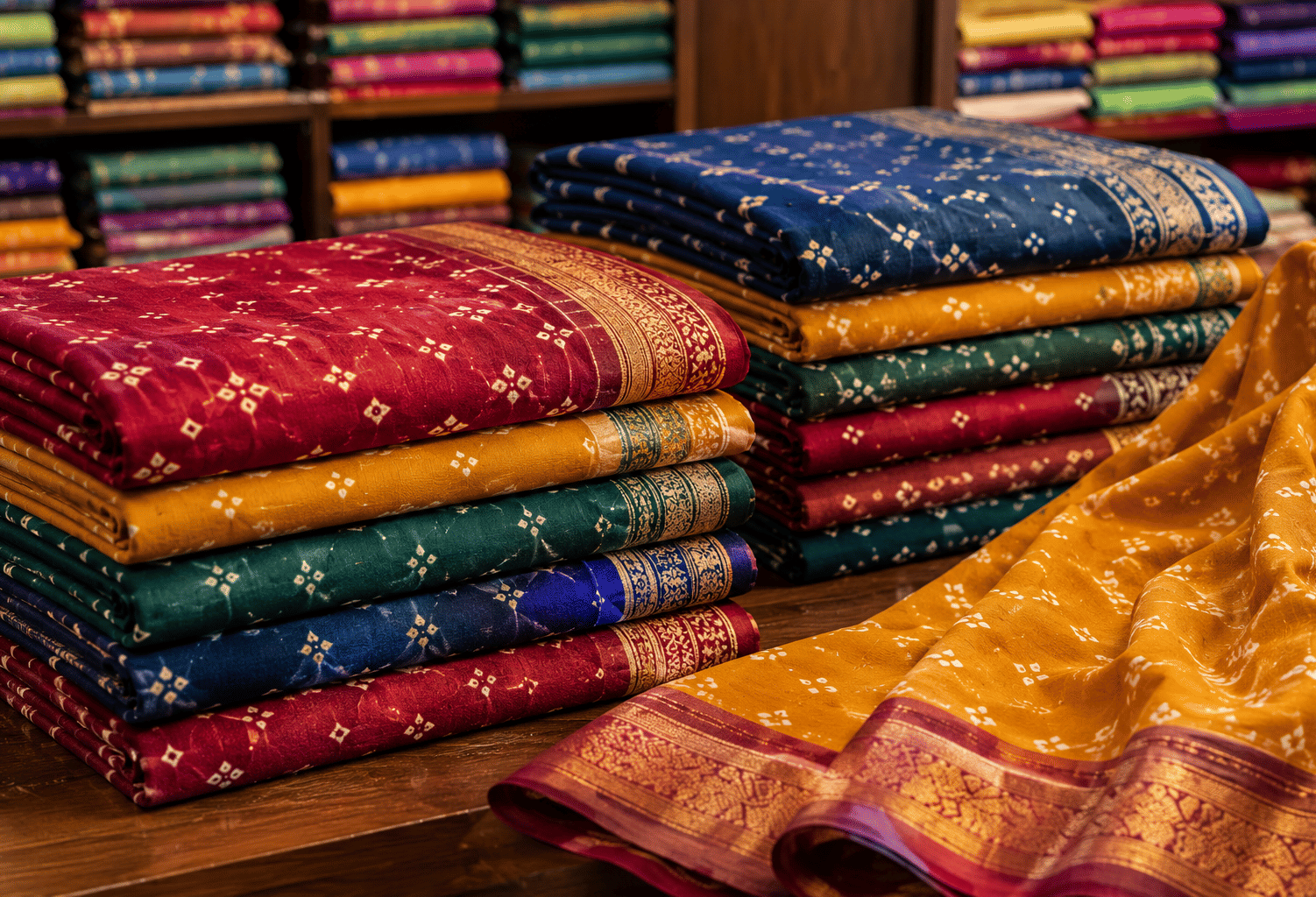
Beyond Silk: Exploring the Variety of Tamil Nadu Textiles
Cotton Textiles: Cotton has an important place in Tamil Nadu's textile heritage. Its versatility makes it suitable for sarees, shirts, dhotis, towels and other everyday garments. Different weaving centres have developed their own approaches to texture, colour, checks, stripes and borders, giving cotton fabrics a distinctive regional character. Visitors interested in cotton textiles can explore handloom sarees, lightweight fabrics and traditional garments while learning about the weaving process.
Madurai Sungudi: Madurai Sungudi is a distinctive cotton textile tradition associated with Madurai. Recognised for its dotted patterns and vibrant colours, the craft uses tie-and-dye techniques to create designs on fabric. The process involves carefully tying portions of the material before dyeing it, allowing the tied sections to resist the colour and form patterns when the fabric is opened. The resulting designs offer a different aesthetic from the woven motifs found on traditional silk sarees.
Kanchipuram Silk Sarees: Kanchipuram remains an important destination for visitors interested in traditional silk weaving. Its sarees are known for rich colours, contrasting borders, intricate motifs and zari detailing. Designs may feature floral patterns, geometric arrangements and influences drawn from temple architecture and traditional art. The craftsmanship involved in creating Kanchipuram silk sarees makes them a valuable part of Tamil Nadu's textile heritage.
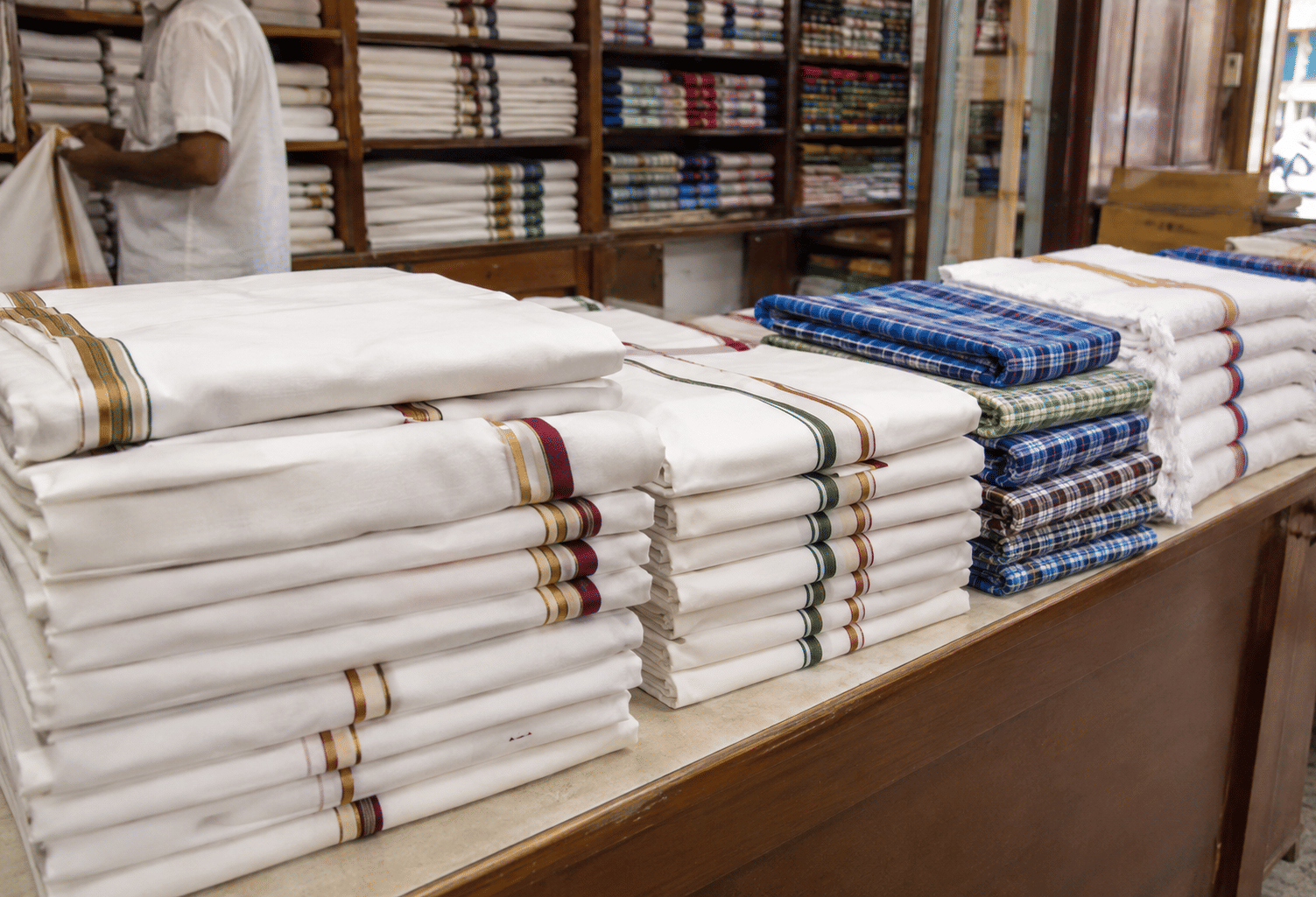
Traditional Dhoti, Towel and Home Textile Weaving
Textile tourism also offers a chance to explore fabrics that are not always the focus of souvenir shopping. Traditional dhotis, towels, lungis and woven household furnishings demonstrate the practical role textiles play in daily life. Tamil Nadu has several weaving centres associated with these products. Nagercoil is known for traditional veshtis and towels, while Karur has an established home-textile sector that produces items such as bed linen, kitchen textiles and other furnishings. Bhavani, meanwhile, is associated with Jamakkalam woven rugs.
These products demonstrate how weaving techniques are adapted to different uses. A saree may emphasise drape and decorative borders, whereas a towel requires absorbency and a household furnishing may prioritise durability, colour and pattern. Exploring these differences gives visitors a broader understanding of the state's textile industry.

Silk Weaving and Handloom Craftsmanship Across Tamil Nadu
Silk weaving in Kanchipuram is an important part of Tamil Nadu's textile heritage, but it is not the state's only silk tradition. Arani, Salem and Thirubuvanam also have established silk weaving traditions, each contributing to the region's diverse fabric heritage. Exploring these centres offers travellers an opportunity to learn about regional weaving practices, compare fabric designs and understand how different techniques influence the finished textile. Beyond silk, Tamil Nadu's handloom traditions include cotton fabrics, checks, stripes and tie-and-dye designs such as Madurai Sungudi. Each textile involves different processes, from preparing and dyeing the yarn to arranging threads on a loom or creating patterns on the fabric surface.
Understanding these processes adds another dimension to textile tourism. Rather than viewing a finished garment simply as a product, travellers can appreciate the planning, technical knowledge and craftsmanship behind it. Where visits to working weaving centres or craft demonstrations are available, contact the centre in advance to confirm visitor access.

Textile Weavers and Artisans: The People Behind the Fabric
The story of a textile extends beyond the loom. Weavers, dyers, yarn preparers and other craftspeople contribute different skills to the production process. Depending on the textile, the work may involve setting up the loom, selecting colours, tying patterns, dyeing the material, checking the weave and completing the finishing stages. Traditional weaving knowledge is often passed from one generation to another. At the same time, changing customer preferences encourage artisans and manufacturers to experiment with lighter fabrics, contemporary colours and new designs. These developments allow textile traditions to remain relevant while retaining elements of their regional identity.
Learning about weavers adds a human dimension to textile tourism. It helps visitors recognise the time and expertise behind handcrafted products and understand why the source, material and method of production matter. When buying directly from a cooperative, artisan or established handloom retailer, ask about the craft and the people involved in making the product. Respectful visits are important, too. Not every workshop operates as a tourist attraction, so visitors should seek permission before entering a production space or photographing artisans at work.

Chennai to Kanchipuram: Planning a Textile-Focused Excursion
A trip from Chennai to Kanchipuram can be included in a wider textile itinerary, particularly for visitors interested in silk weaving. The town is approximately 70 km from central Chennai by road, although travel time depends on the route, traffic and starting point. An excursion can include browsing textile stores, learning about the town's weaving heritage and visiting historic landmarks. If you are particularly interested in the production process, contact local weaving centres beforehand to ask whether visitors are welcome.
You can also use Chennai as a base for exploring other textile-related destinations on separate trips. Rather than trying to visit several weaving centres in one day, plan around the type of textile that interests you most. A cotton and dyeing-focused visit, for example, offers a different experience from a trip centred on silk weaving or home textiles. Before travelling, check store timings, transport options and access arrangements. A little preparation helps ensure that the trip offers more than a quick shopping stop.
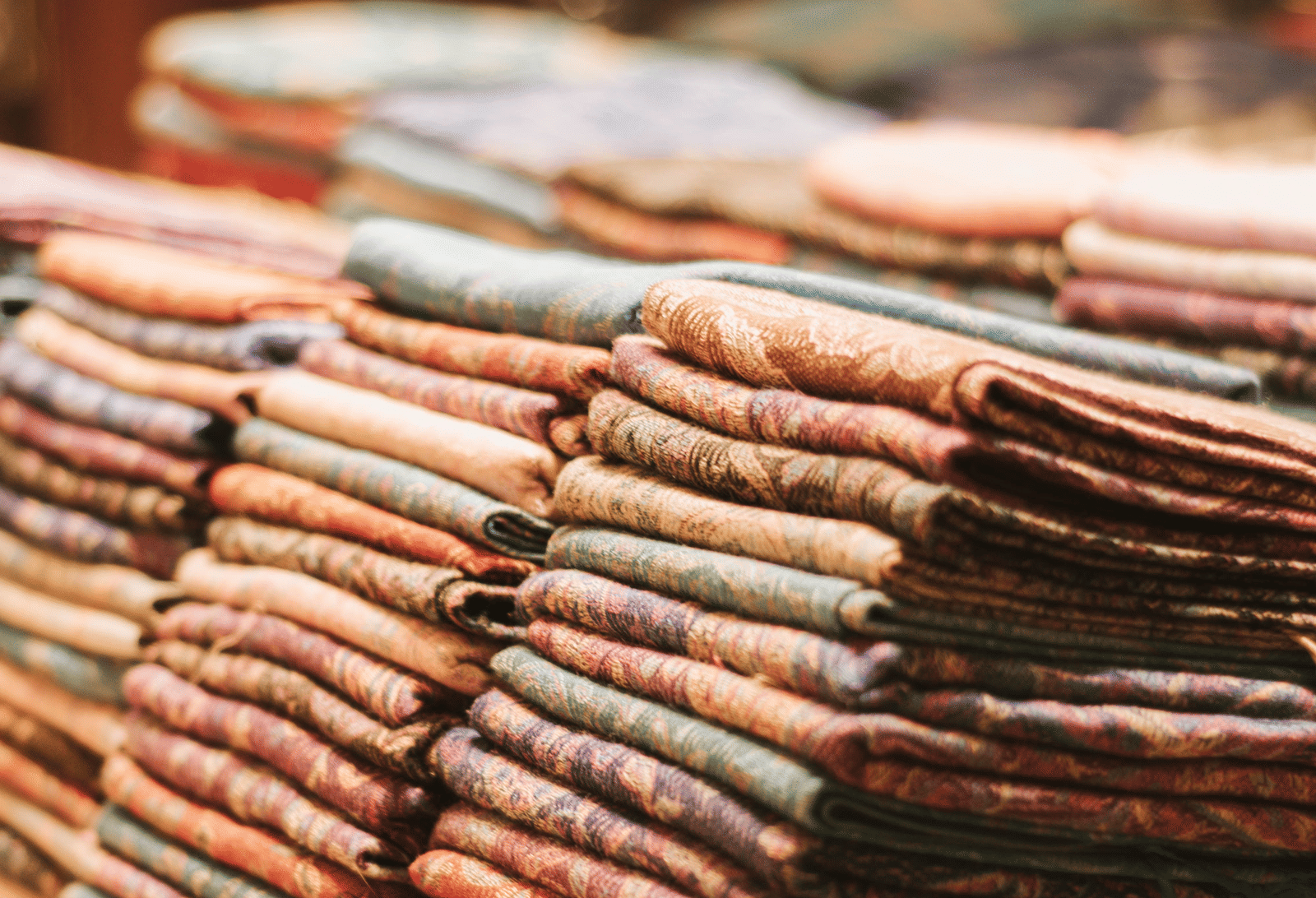
Where to Buy Traditional Textiles in Chennai
Deciding where to buy Kanchipuram sarees or other traditional textiles depends on the styles and fabrics you are looking for. Chennai's established shopping districts offer a variety of sarees, cotton garments, printed fabrics, traditional dhotis and home-textile products. Exploring these collections allows you to compare materials, patterns and designs while discovering the diversity of Tamil Nadu's textile traditions.
If you prefer shopping from home, handloom sarees online provide another way to explore regional styles, from cotton weaves to silk sarees featuring traditional motifs and contemporary designs. Whether shopping in person or online, check the fabric composition, weaving method and place of origin. For products described as handwoven or made from pure silk, ask for relevant details or certification where applicable. Review product descriptions, care instructions, delivery terms and return policies, particularly when making high-value purchases. Understanding how a textile is made helps you appreciate its craftsmanship and make an informed choice.
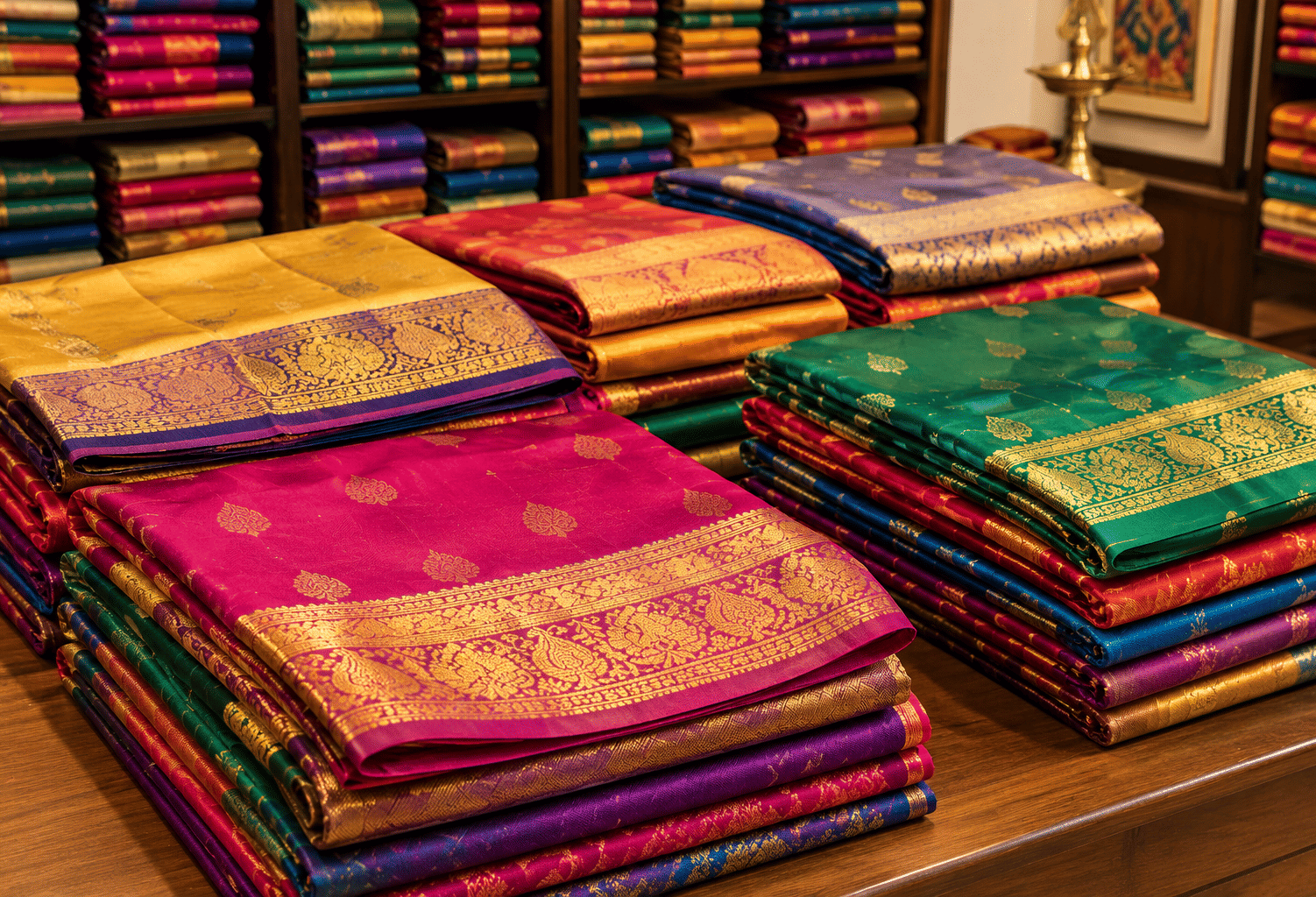
Shopping for Kanchipuram Silk Sarees: Quality and Price
If you are considering a Kanchipuram saree, examine its construction, material and craftsmanship before making a purchase. Check the silk specifications and look for a valid silk mark label when buying a saree advertised as pure silk. Examine the border, pallu, motifs and colours, and ask about the zari composition and weaving method. Confirm the place of origin, request a clear invoice and review the seller's return and exchange policy. The Kanchipuram silk saree price varies according to the silk used, zari composition, design complexity, weaving method and amount of work involved. Rather than relying on price or appearance alone, compare sarees with similar specifications and ask sellers for relevant product details and documentation.
These considerations can help you make an informed purchase while appreciating the craftsmanship behind traditional silk weaving. The same approach applies when exploring other textiles, from cotton handlooms to printed fabrics and regional weaves, where understanding the material and production process makes shopping more meaningful.

Make Textile Tourism Part of Your Chennai Itinerary
Textile exploration can add a cultural dimension to a Chennai holiday. Begin with the city's textile shopping districts, where you can browse different fabrics and traditional garments. If your schedule allows, plan a separate excursion to a weaving centre or another textile destination in Tamil Nadu. You can also combine textile shopping with visits to historic landmarks, local food experiences and other cultural attractions. This creates a more varied itinerary, connecting the products you encounter with the places and communities that shape them.
After a day of exploring, returning to a comfortable base in the city makes the experience easier to enjoy. At Raintree, St. Mary's Road, our hotel in Alwarpet offers a convenient base for exploring Chennai and planning excursions beyond the city. Our rooms and suites provide space to unwind, while the rooftop swimming pool and spa offer opportunities to relax after a day of sightseeing. You can also dine at Colony, where the menu draws on India's culinary heritage. Ultimately, textile tourism in Chennai is about discovering the many ways fabric connects craftsmanship, culture and everyday life. From cotton handlooms and Madurai Sungudi to silk weaving, traditional garments and home textiles, Tamil Nadu offers a varied textile landscape to explore. By looking beyond a single fabric or destination, travellers can develop a deeper appreciation of the region's textile heritage and the people who sustain it.
More Stories


Frequently Asked Questions (FAQs)
What is textile tourism in Chennai?
Textile tourism in Chennai involves exploring the city's textile shopping districts, traditional fabrics and the wider textile heritage of Tamil Nadu. It can include learning about handloom weaving, visiting textile centres and discovering regional traditions associated with cotton, silk, dyeing and home furnishings.
Which types of textiles can I explore in Tamil Nadu?
Tamil Nadu has a varied textile heritage that includes Kanchipuram silk, Madurai Sungudi cotton, traditional cotton sarees, dhotis, towels, woven rugs and home textiles. Different towns are associated with different weaving, dyeing and manufacturing traditions.
Why is Kanchipuram famous for silk sarees?
Kanchipuram is known for its silk weaving tradition, including rich colours, contrasting borders, intricate motifs and zari detailing. Its distinctive weaving practices have made its sarees an important part of Tamil Nadu's textile heritage.
What is Madurai Sungudi?
Madurai Sungudi is a traditional cotton textile associated with Madurai. It is known for its dotted patterns and vibrant colours, created using tie-and-dye techniques.
Which places in Tamil Nadu are known for textiles?
Kanchipuram is associated with silk sarees, Madurai with Sungudi textiles, Salem with weaving, Karur with home textiles and Tiruppur with knitwear and garment manufacturing. Arani and Thirubuvanam also have silk weaving traditions.
Can I visit weaving centres during a textile tour?
Some weaving centres and craft organisations may offer demonstrations or visitor access, but arrangements vary. Contact the centre in advance to confirm availability, opening hours and any requirements for visiting.
What determines the price of a Kanchipuram silk saree?
The price depends on factors such as silk quality, zari composition, design complexity, weaving method and the work involved in producing the saree. Compare products with similar specifications rather than relying on price alone.
Where should I stay in Chennai for a textile-focused trip?
Staying in a well-connected part of Chennai can make it easier to explore the city's textile shopping districts and plan excursions to nearby destinations. Raintree, St. Mary's Road in Alwarpet, offers rooms and suites, a rooftop swimming pool and a spa for a comfortable stay while discovering Chennai.